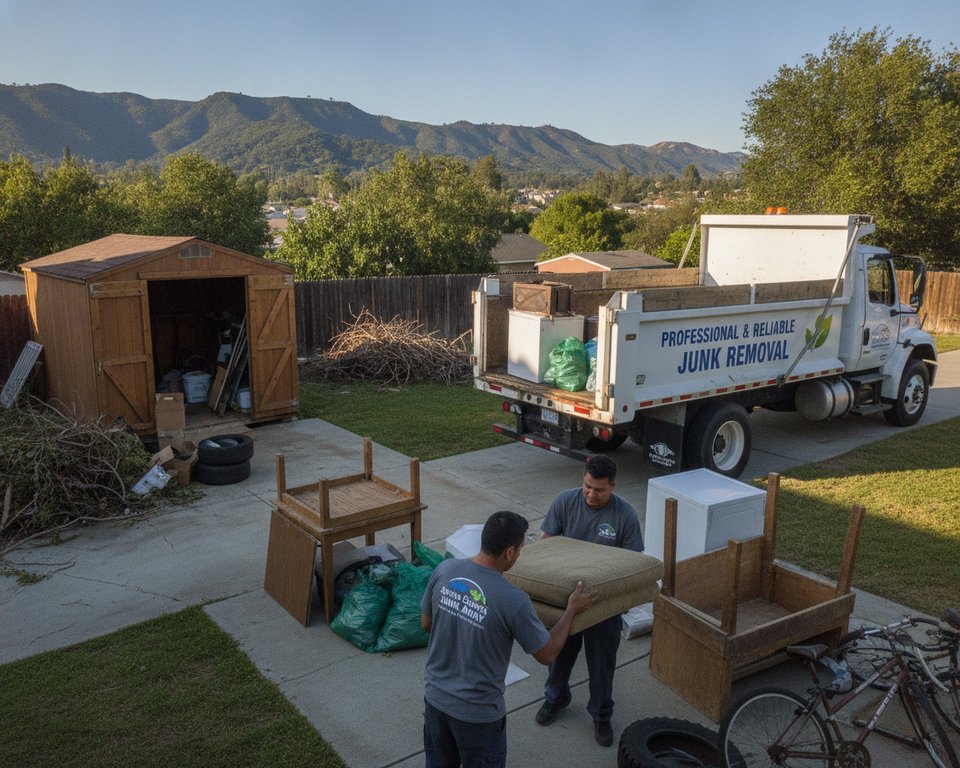
Bainbridge Island Home Remodeling Contractor Services
Renovate Builders is a Seattle design-build company with more than 15 years of experience serving the Greater Seattle area. Homeowners on Bainbridge Island get a coordinated process and a local point of contact from the first design meeting to the final build.
House Remodeling Contractors Bainbridge Island
The team manages each project from planning through construction. Renovate Builders is a certified general contractor and focuses on skilled craftsmanship, clear updates, and thoughtful decisions. This approach helps clients understand each step and keep plans moving.
The services cover kitchen remodeling, bathroom updates, whole-home renovation, ADUs, additions, and interior and exterior improvements for homes and businesses. If you want a refreshed kitchen or a larger change, the goal is to shape a practical plan around your vision.
People who are ready to explore their options can begin with a consultation today. Call (425) 589-108 or visit renovatebuilders.com to discuss your plans and learn which service may fit your needs.
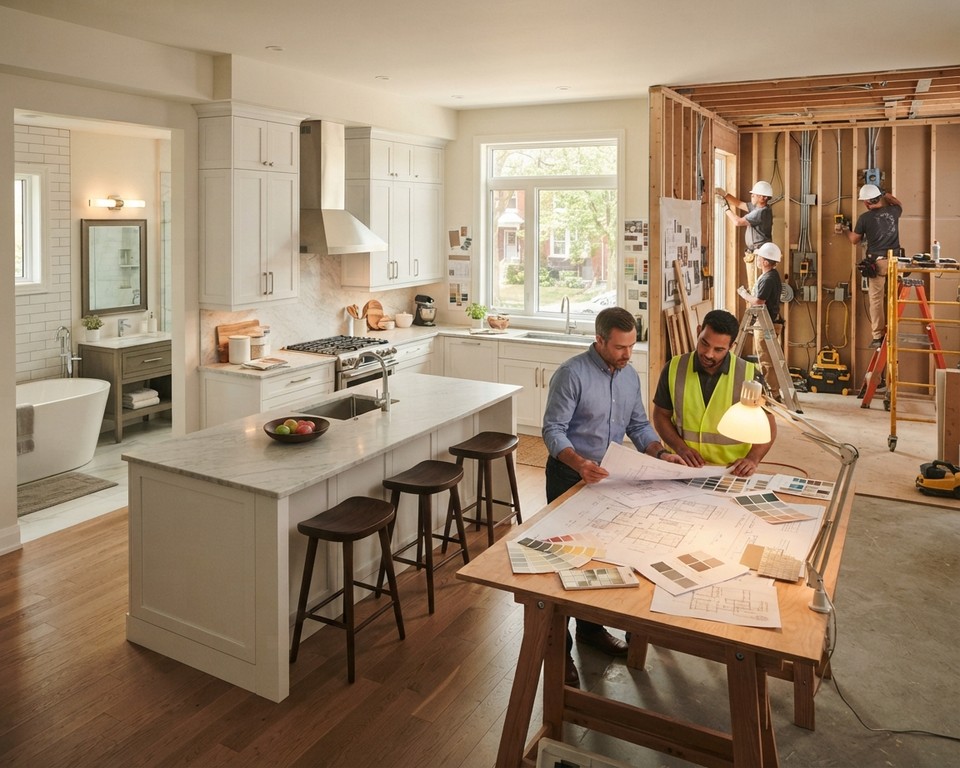 Remodeling Home Bainbridge Island
- Renovate Builders serves Greater Seattle, including Bainbridge Island.
- The team coordinates design and construction through a single point of contact.
- Available services cover kitchens, bathrooms, ADUs, additions, and more.
- The company is a certified general contractor and has over 15 years of experience.
- Call (425) 589-108 to start a consultation.
Home Remodeling Contractor Bainbridge Island
More than 15 years of design-build experience is what Renovate Builders brings to the Greater Seattle area. Renovate Builders is a certified general contractor and coordinates planning and construction under one roof. This approach gives homeowners a clear process and a practical way to build a project.
Design-Build Experience Supported By More Than Fifteen Years Of Work
When design and building plans line up, clients can talk about scope, schedules, and expectations early. The team places value on open communication, careful planning, and quality craftsmanship. These steps help organize projects and support high-quality work from the first plan to the final details.
Serving Local Communities Across The Puget Sound Region
Renovate Builders serves King, Pierce, Kitsap, and Snohomish Counties. For homeowners planning a remodel or larger renovations, a consultation offers time to discuss the home, goals, and the company’s approach. Clients can also ask for references and what those clients would highly recommend.
“Checked in during the project to confirm the clients were satisfied with progress.”
| County area | Service area status | Planning focus |
|---|---|---|
| King County | Included in stated service area | Talk about project scope and goals |
| Pierce | Part of the stated service area | Review schedule expectations |
| Kitsap County | Included in stated service area | Bring design and construction into line |
| Snohomish | Included in stated service area | Plan communication ahead of the work |
Remodeling Services For Bainbridge Island Homes And Businesses
Renovate Builders offers residential and commercial upgrades across King, Pierce, Kitsap, and Snohomish Counties. Its residential options include kitchen and bathroom remodels, whole-house renovations, additions, ADUs, and interior and exterior updates. These changes can support a growing family or new routines. Thoughtful planning can also improve the way people use a space and support comfortable living.
Interior And Exterior Updates For Changing Needs
Each project can reflect the goals, the layout, and the condition of the property. Renovate Builders helps clients consider how planned work may shape daily use, while keeping quality in view. For homeowners, that may involve refreshing a room or adapting several areas as priorities change.
Commercial Remodeling That Takes Daily Operations Into Account
The company also serves businesses, and construction plans are shaped around the needs of each commercial space. Vega Builders, a separate company, describes coordinating work around employees, customers, and daily operations. This example shows why businesses should think about how projects affect their spaces. The Renovate Builders team plans its service with the use of each site in mind. Ask about available services today.
Kitchen Remodeling Designed Around Your Home
A custom plan can help a kitchen work better for daily life. Renovate Builders can shape the layout around your home, priorities, and how you use the room. This gives every space a clear purpose and supports how you cook, gather, and move through the day.
Layout, Materials, And Finishes Matched To Your Vision
During kitchen remodeling, clients can review materials, finishes, and design choices with the team. The plan takes each detail into account, with attention to your vision and the needs of the property.
- Map out a kitchen layout that suits your routines and priorities.
- Compare materials and finishes before choosing a look.
- Include related remodels in the broader design plan.
Coordinated Construction From Planning To Completion
Renovate Builders manages the process from the design stage into construction. This coordinated approach links selections and construction work and creates a clear path toward completion.
Amanda H. praised Sean, Carol, and Bainbridge Island Construction for creative ideas about updating a kitchen, a laundry room, and bathrooms. That review is about a separate company and is not a Renovate Builders testimonial.
Bathroom Remodeling For Comfort And Practical Use
A well-planned bathroom can make daily routines easier while honoring your vision for the home. Renovate Builders plans each project around the room’s dimensions, your household’s needs, and the style you prefer. For clients in Bainbridge Island, the goal is a practical design shaped by skilled craftsmanship.
Thoughtful Updates For Bathrooms Of All Sizes
Some bathroom remodels improve daily function; others refresh finishes or rework a room as part of a larger project. The team can discuss priorities before construction, so the plan suits the space, your family, and the way you live. No two bathrooms call for the same solution.
“The right plan begins with how the room needs to work.”
TopVolk Construction publishes a two-to-four-week range for its own bathroom remodels, depending on scope. That estimate does not set Renovate Builders’ schedule. The company confirms the timing during project planning.
| Planning focus | Possible goal | Note on timing |
|---|---|---|
| Layout and function | Support everyday routines | Talk about during planning |
| Finishes plus style | Reflect your preferred design | Confirm project scope |
| Schedule of the project | Establish clear expectations | Renovate Builders confirms timing |
Whole-Home Renovations, Additions, And ADUs
For homeowners on Bainbridge Island, Renovate Builders can coordinate renovations, additions, and ADUs around changing needs. A whole-house project can update several areas through a single design and construction plan. A smaller remodel may focus on one need only. The right scope depends on the property and the household goals.
Rethinking Living Spaces For Families And New Priorities
As the routines of a family change, its living spaces may need to change as well. A growing household might need more room, while other homes may benefit from updates to areas used each day.
“Begin with how each space needs to serve the people who use it.”
Planning For An Addition Or Accessory Dwelling Unit
An addition can add useful space, but its size and design should suit the property and the goals of the homeowners. ADU services are also provided by Renovate Builders. The team at the company can talk through design, construction needs, and next steps at a consultation.
- TopVolk names detached backyard cottages as one ADU option.
- Its examples include attached units and garage or basement conversions as well.
- These examples come from TopVolk, a separate company.
Take your priorities to a consultation to explore which approach may suit your property.
A Design-Build Process From First Conversation To Final Walkthrough
A clear process lets clients understand what comes next. Renovate Builders coordinates each project from design through construction, with open communication and a focus on bringing your vision to life.
Aligning The Project Scope With Your Goals And Expectations
The first consultation is a chance to discuss your goal, scope, and expectations for a home or business. Share priorities for the space, whether you are planning a bathroom update or a larger change. This gives the team a practical way to build the plan.
Coordinating Design And Construction With Open Communication
Renovate Builders manages the work from its start to its finish. The team shares updates, goes over key details, and keeps quality and attention to detail in view. Project schedules and milestones depend on the agreed scope, and a design-build process gives clients one coordinated service.
- Set clear goals, scope, and expectations at the start.
- Talk about milestones and timing as plans take shape.
- Keep communication open through to the final walkthrough.
Glynnis C. described receiving updates from another contractor while away from the job site; this is not a Renovate Builders client claim. Amanda H. also mentioned progress check-ins from the separate Bainbridge Island Construction team. These examples show ways contractors may keep clients informed during projects.
Pre-Construction Planning, Materials, Codes, And Schedules
Good planning helps set clear expectations before construction begins. For a project on Bainbridge Island, early talks can make the scope, the likely costs, the needed materials, and the order of work clear. This gives clients a better view of the process and helps the team catch questions before they affect the schedule.
Understanding Costs And Sourcing Materials
Discuss material choices alongside the design, budget, and daily needs of the home. Early selections can help shape the plan and cut down on last-minute changes. TopVolk says that it offers a free written estimate with a detailed scope and transparent pricing before work starts. That is TopVolk’s stated practice, not a pricing promise from Renovate Builders.
“Clear details early can make each next step easier to understand.”
Planning For Codes And Construction Timelines
A full rebuild or a structural renovation may involve specific code rules and permit needs. Renovate Builders can discuss code-compliant options, project requirements, and timelines during planning. The schedule depends on the scope, the selections, and the site conditions, so ask how the work may move from start to finish.
For details about planning, timing, and communication, call Renovate Builders at (425) 589-108.
Quality Craftsmanship And Attention To Detail
Renovate Builders is a certified general contractor serving Bainbridge Island and the Puget Sound region, and it works with homeowners and businesses. The company states that it is committed to outstanding craftsmanship and quality work across renovation projects.
Attention to detail begins in planning and continues through construction. The team thinks about how each improvement fits the home and supports the goals of the client. Careful execution helps produce a useful, finished space.
Clear updates and coordinated project work help clients keep up with progress. Taken together, these practices support quality work that reflects the agreed plans and priorities.
Geoff T. praised the crew at BI Construction for its professionalism, efficient work, problem-solving, and workmanship. Those comments are about a separate company and are not Renovate Builders reviews.
| Focus of the project | Approach of Renovate Builders | Benefit to the client |
|---|---|---|
| Project planning | Tie improvements to the goals of the home | A clearer project direction |
| Execution | Apply care throughout each stage | A considered finished result |
| Project communication | Share updates during the coordinated work | Better visibility into progress |
Conclusion
Choosing a project team is an important step toward a space that fits your priorities. Renovate Builders brings more than 15 years of Greater Seattle experience to Bainbridge Island property owners and businesses.
Its design-build services include kitchen and bathroom remodeling, renovations, ADUs, additions, and interior and exterior upgrades. A single team manages construction from design through completion, with a focus on craftsmanship, open communication, and your vision.
This coordinated approach can support changing family needs and comfortable living spaces. People planning a home renovation can talk about goals, scope, and next steps today.
Looking for a team you can highly recommend? Call (425) 589-108 or visit renovatebuilders.com to learn more.